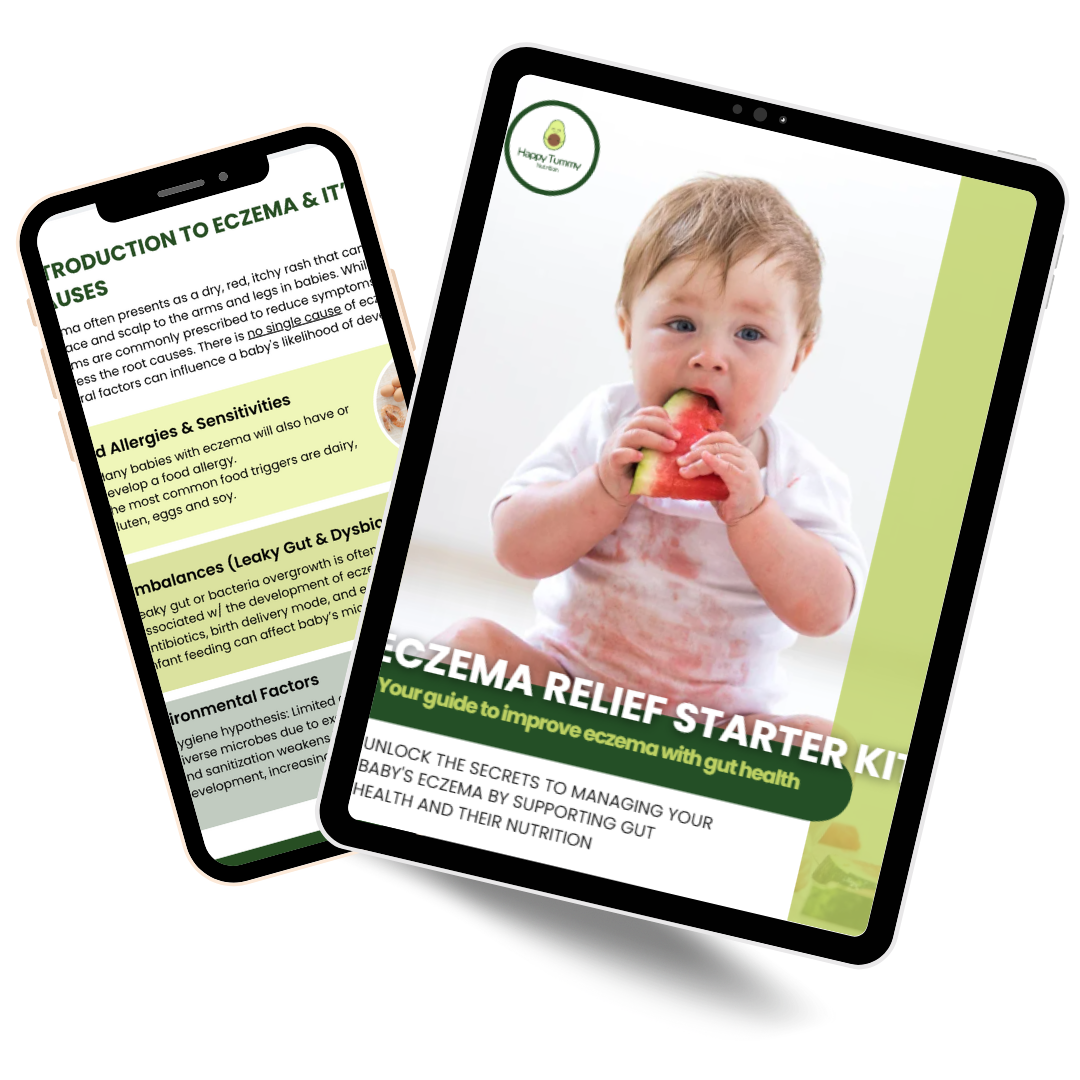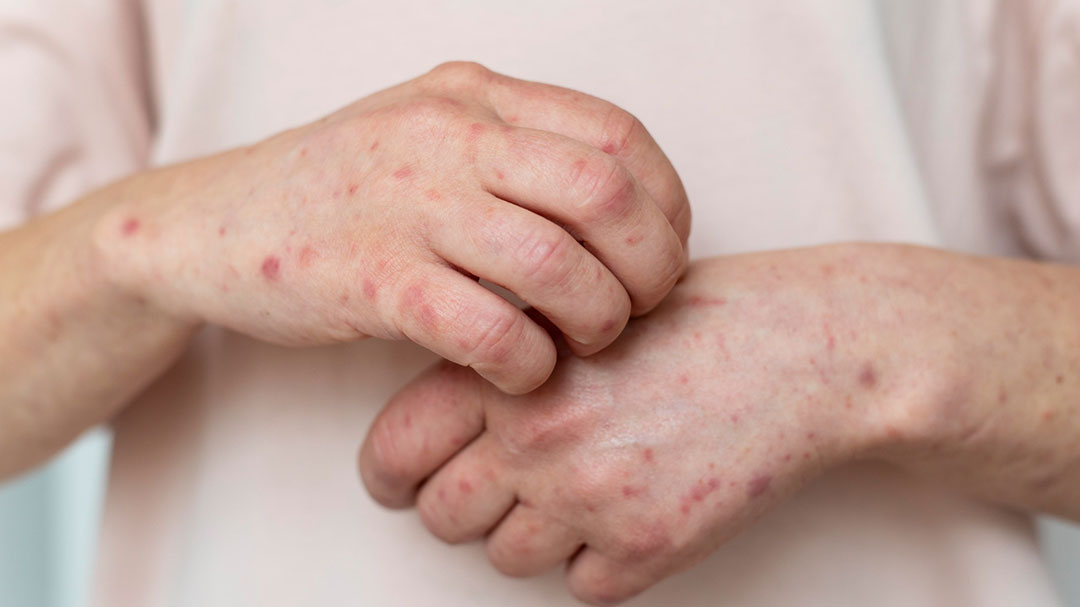
If your little one is experiencing eczema, rashes, or frequent skin flare-ups, you’re not imagining the connection to digestion. While eczema is complex and multifactorial, growing research (and clinical experience) shows that gut health plays a powerful role in how eczema shows up and persists in babies and children.
Understanding the gut–skin connection can help parents move beyond surface-level treatments and begin supporting healthy skin from the inside out.
What Is the Gut–Skin Axis?
The gut and the skin act like a two-way street, constantly communicating with each other. These systems interact through inflammation pathways and chemical signals that travel throughout the body.
A child’s gut is home to nearly 100 trillion microbes and plays a central role in immune regulation (about 70% of the immune system lives in the gut). When the gut microbiome becomes imbalanced, immune responses can shift, sometimes showing up externally as eczema, rashes, or red patches on the skin.
In some children, red cheeks or rashes after eating may be linked to how their gut and immune system are responding to foods, especially when digestion is already stressed. This doesn’t mean the food is “bad,” but rather that the gut may need additional support.
Why Skin Symptoms Often Start in the Gut
Immune Activation and Inflammation
Imbalanced Gut Microbiome (Dysbiosis)
Gut dysbiosis occurs when there are more harmful bacteria than beneficial ones in the gut, which is quite common. This imbalance can occur due to various factors, including infection, antibiotic use, dietary or formula changes, or low microbial diversity. When this happens, it can cause inflammation throughout the body, including the skin, increasing the likelihood of eczema and rashes.
In babies and children, gut dysbiosis may also affect how the immune system learns to respond appropriately. When helpful bacteria are reduced, the gut may have a harder time sending balanced signals to the immune system. This can make the body more sensitive to everyday triggers, which may contribute to skin flare-ups like eczema or rashes. Supporting a diverse and healthy gut microbiome can help promote immune balance and overall skin comfort.
Food sensitivities vs. Food Allergies
When a child's gut is inflamed or imbalanced, certain foods may be harder to tolerate. This doesn't automatically indicate a food allergy; instead, it could mean that specific food groups may trigger eczema flares, red cheeks after eating, or patches of rash on your child. Parents often notice these reactions alongside digestive symptoms, like reflux, bloating and gas, constipation, and mucus in their child's stool. It's important to keep a close eye on these signs, as they can give valuable insight into your child's overall gut health.
When the gut is inflamed, certain foods may be harder to tolerate. This does not automatically mean a food allergy.
Food sensitivities:
- Are often temporary
- May be dose-dependent
- Are related to gut inflammation rather than an allergic immune response
Parents may notice eczema flares, red cheeks after meals, or patches of rash alongside digestive symptoms such as reflux, bloating, constipation, gas, or mucus in stool. These patterns can provide valuable insight into overall gut health.
Common Root Causes of Gut-Related Eczema in Babies & Kids
Birth and Early Feeding Factors
Early-Life Gut Stressors
After birth, many everyday experiences shape the gut microbiome:
- Illness and antibiotics: fevers and antibiotic use can limit the diversity of the gut, including both good and bad bacteria.
- Food Introductions: introducing too many foods at once or too early, may alter gut flora. Consulting with your pediatrician or pediatric dietitian can help you craft a plan tailored to your child’s specific needs.
- Environmental Exposures: Babies are incredibly curious, and given the opportunity, they will touch, smell, and taste everything they can! Because of this, it is essential to keep contaminants out of their reach. Gentle cleaning products and cleaner air may reduce overall gut stress.
- Sleep and Stress Patterns: occasional disrupted sleep and stress are regular for infants, but persistent sleep issues and stress can disrupt the gut-brain axis, even in young children. When the gut is stressed, digestive symptoms and skin irritation can develop or worsen, leading to a hard-to-break cycle without support.
Nutrient Deficiencies That Affect Skin & Gut Health
Specific nutrients play key roles in maintaining the strength of the gut microbiome. When levels of omega-3s, zinc, vitamin D, or antioxidants are low, your child may be more susceptible to dryness, aggravation, or eczema. Sometimes these deficiencies occur when the gut is struggling, making it harder for the body to absorb nutrients. Ensuring a diverse diet can help to strengthen the gut and reduce skin stress.
Certain nutrients play key roles in maintaining both gut integrity and skin health, including:
- Omega-3 fatty acids
- Zinc
- Vitamin D
- Antioxidants
Vitamin D deficiency, in particular, has been linked to eczema severity in children. When the gut is struggling, nutrient absorption may also be impaired, further contributing to skin irritation.
How Parents Can Support the Gut–Skin Axis
Gut-Calming Foods for Eczema-Prone Kids
Gentle, easily digestible foods can help to soothe and repair a damaged gut. Many families find success when introducing options such as
- Stewed apples (rich in pectin)
- Bone broth or broth-based purees
- Mashed root vegetables (like carrots and sweet potatoes)
If you suspect your child may be sensitive to certain foods it's important to work with your pediatrician or dietitian on identifying those triggers and creating a balanced plan.
Should You Remove Foods for Baby Eczema?
Temporary food avoidance may sometimes reduce symptoms while the gut heals, but long-term restriction is rarely the goal.
Eliminating foods without guidance can unintentionally reduce nutrient intake and gut diversity. A personalized approach—rather than blanket elimination—is often more effective and sustainable.
Supporting Your Child’s Microbiome
A diverse gut ecosystem plays a key role in both digestion and health. To support microbial diversity, you can incorporate:
- Probiotics (such as Lactobacillus or Bifidobaterium)
- Prebiotic-rich foods like bananas, oats, avocados, and sweet potatoes
Introducing these foods can help deliver and maintain the trillions of microorganisms in your child's gut, supporting immune health and reducing skin flares.
A diverse gut ecosystem supports digestion, immune balance, and skin health. Supporting the microbiome doesn’t require doing everything at once—small, consistent steps matter.
Helpful strategies may include:
- Probiotics, especially after illness or antibiotic use
- Prebiotic-rich foods
- Breastmilk, when available, as it naturally contains HMOs that support gut and immune development. For formula-fed or combination-fed babies, formulas containing HMOs may offer similar prebiotic support.
As solids are introduced, offering a variety of tolerated foods over time helps build microbial diversity. Probiotic strains and timing matter, particularly in infants, and gut rebuilding is gradual, often taking weeks rather than days.
Strengthen the Gut Lining
The gut lining serves as your child's first line of defense, keeping food products and microbes where they belong – inside the digestive tract. You can improve the durability of your child's gut lining by introducing:
- Collagen-rich foods like pureed meats, fish, and bone broth
- Zinc-containing foods like meat, seafood, and legumes
These nutrients will help reinforce this barrier and protect against food products and bacteria from escaping the digestive tract, which may lead to eczema and rashes.
Digestive Signs That Often Accompany Eczema
While adjusting your child's diet, their digestive symptoms can offer helpful clues. Consider asking yourself:
- Is my child constipated?
- Is there mucus in their stool?
- Has their stool changed color, odor, or consistency?
- Do certain foods seem to trigger their skin symptoms?
Keeping a simple log of foods and symptoms helps clarify patterns. Many families notice that as digestion becomes more regular, reflux improves—and skin symptoms often follow.
When to Seek Professional Help For Eczema
Most skin changes can be managed at home, but there are times when reaching out to a pediatrician or pediatric dietitian is essential. Professional guidance can help rule out underlying causes of your child’s skin symptoms. You should consider seeking guidance if:
- Your Child’s Skin Symptoms are Worsening: if their eczema or rash becomes very painful, itchy, or interferes with sleep and other activities, it’s a good idea to have a medical professional take a look.
- Other Illness Symptoms accompany the Rash: if your child’s skin symptoms are accompanied by a cough, cold, earache, or fever, it may indicate that the immune system is fighting more than what’s appearing on the skin. In this case, you should visit a healthcare professional to rule out bacterial or viral causes.
- Digestive Symptoms are Persistent: stool changes and discomfort are regular during infancy, but prolonged abnormalities like continuing reflux, mucus in stool, chronic constipation, vomiting, and poor feeding should be assessed by a healthcare professional to prevent bigger issues later on.
- You’re Feeling Unsure and Want More Clarification: you do not need to wait for symptoms to become severe to seek guidance from a healthcare professional. A pediatric dietitian can help you build a personalized nutrition plan for your child to reduce digestive and skin symptoms.
Questions Parents Ask About Baby Eczema & Gut Health
Why does my baby get red cheeks after eating?
My child’s eczema flares with dairy—are they allergic?
How long does it take gut healing to improve eczema?
How can I support my baby’s gut after antibiotics, and will it help their skin?
Why does my baby get a rash around their mouth after eating certain foods?
Key Takeaways: Supporting Your Child’s Gut to Calm Eczema
The gut and skin are deeply connected. In many children, eczema is influenced by gut inflammation, microbial imbalance, and immune signaling—especially when digestive symptoms are present.
Supporting gut health with probiotic and prebiotic-rich foods, nutrient-dense meals, and gentle digestion strategies can help calm both digestive and skin symptoms over time.
If you’re unsure where to start, working with a pediatric dietitian can help you create a personalized, gut-supportive plan—without unnecessary restriction.
Supporting your child’s gut health is often the first step toward calmer, clearer skin.
Disclaimer: This blog is for informational purposes only and not a substitute for professional medial advice.
Author:Ella Raina, Dietetic StudentReviewed by:Kristen Fustos, MS, RDN, CSP, LD, CLCRegistered Dietitian & Owner
References:
AKAGAWA, S., AKAGAWA, Y., YAMANOUCHI, S., KIMATA, T., TSUJI, S., & KANEKO, K. (2020). Development of the gut microbiota and dysbiosis in children. Bioscience of Microbiota, Food and Health. https://doi.org/10.12938/bmfh.2020-034
CDC. (2024, December 11). Zinc. Infant and Toddler Nutrition. https://www.cdc.gov/infant-toddler nutrition/vitamins-minerals/zinc.html
Constipation in Infants: Symptoms, Treatment and When to Call a Doctor. (2019). Nationwidechildrens.org. https://www.nationwidechildrens.org/conditions/constipation-infant
De Pessemier, B., Grine, L., Debaere, M., Maes, A., Paetzold, B., & Callewaert, C. (2021). Gut–Skin axis: Current knowledge of the interrelationship between microbial dysbiosis and skin conditions. Microorganisms, 9(2). https://www.mdpi.com/2076-2607/9/2/353
information for families. (n.d.).
https://www.rch.org.au/uploadedfiles/main/content/ccch/cpr_vol22_no1_factsheet.pdf
Mehta, Y., & Fulmali, D. G. (2022). Relationship Between Atopic Dermatitis and Food Allergy in Children. Cureus, 14(12). https://doi.org/10.7759/cureus.33160
O’Sullivan, A., Farver, M., & Smilowitz, J. T. (2015). Article Commentary: The Influence of Early Infant-Feeding Practices on the Intestinal Microbiome and Body Composition in Infants. Nutrition and Metabolic Insights, 8s1(1), NMI.S29530. https://doi.org/10.4137/nmi.s29530
Perioral Food Rash. (2018, July 31). Midlandpediatrics.com. https://midlandpediatrics.com/Perioral-Food-Rash When to Worry About a Child’s Rash. (2024, June 18). Hopkinsmedicine.org.
https://www.hopkinsmedicine.org/health/wellness-and-prevention/when-to-worry-about-a-childs-rash